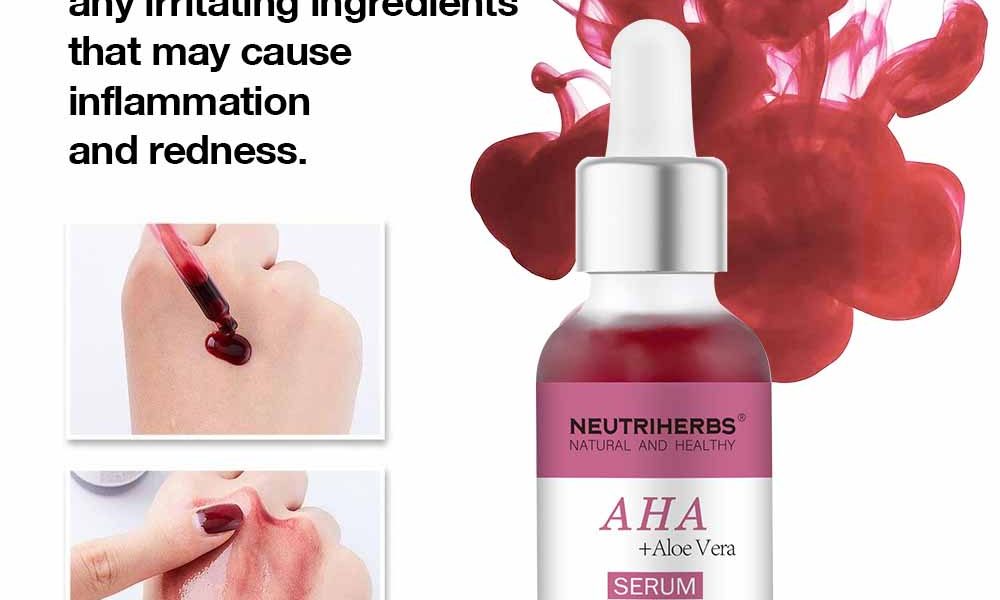
Skincare ingredients that contain acid can make your skin look brighter, defeat acne, and remove wrinkles and fine lines. Acids like the one found in AHAs are a useful OTC alternative for invigorating appearance and skin health. The idea of using acid on the skin might sound odd to some people, but factually, skincare acids function excellently in providing radiant, smooth, and even-toned skin.
The acids include lactic acid, glycolic acid, etc; all grouped under a generic name of AHA or hydroxyl acids. Another group of acids is called BHA or beta hydroxy acid such as salicylic acid that works in brightening the skin and eliminating dark spots from excess exposure to the sun.
If you know the kind of acids contained in your skincare product and their functions, the knowledge may assist you to discover the ideal combination of anti-aging ingredients to create the best routine that can give you what you want. In this article, you will learn to comprehend the various acids and how they work on your skin.
Ascorbic acid
Ascorbic acid is touted as a top skincare ingredient. It is the popular vitamin C, the same one that dermatologist loves recommending to people. Vitamin C is one of the most researched and published ingredients, and virtually all the research results affirm its efficacy in controlling the aging process. First, it is an anti-oxidant, which effectively shields the skin from external pollutants like UV light, chemicals, dirt, etc. It also slows down the production of pigmentation and boosts collagen production.
Azelaic acid
It is a yeast-sourced ingredient and a fundamental recipe for fighting dark spots. According to an examination published in 2014 at the Clinical and Aesthetic Dermatology journal proposes that azelaic acid is potent in tackling melasma.
Ellagic acid
Just like azelaic acid, ellagic acid is a renowned skin brightener. Studies printed in the J.D.D (Journal of Drugs in Dermatology) mixed 0.5% topical ellagic and 0.1% salicylic acid. The study proofed that the combination of these acids is as potent at decreasing pigmentation as the 4% hydroquinone formula. In the skincare industry, hydroquinone is hyped as the superior standard for topical therapy against dark spots and other pigmentation issues; though it is outlawed in skincare treatment.
Ferulic acid
Usually, ferulic acid is combined with vitamin c in some skincare products because it aids in balancing vitamin c. The reason is that vitamin c as an antioxidant shields the skin from harmful molecules (free radicals) that destroys the skin. However, antioxidants are always on the lookout for free radical, which is found everywhere. Once an antioxidant connects with free radicals like pollution, it undergoes oxidation. Meaning that if you open and use a bottle of vitamin c, it will become ineffective due to exposure; but thanks to ferulic acid, which stabilizes the chemical reaction between antioxidant and free radicals preventing oxidation.

Glycolic acid
This is an AHA ingredient sourced from sugarcane that you can find in serums, cleansers, and therapies like face masks, and moisturizers. It helps to boost skin cell turnover because it can go through the epidermis. Glycolic acid is also a potent exfoliator, which deals with skin aging and acne problems.

Many other types of acid play incredible roles in making your skin blemish-free. They are hyaluronic acid, kojic acid, lactic acid, mandelic acid, phytic acid, and so on.


